



A NEW MODEL FOR EQUAL EDUCATION
How Tuition-Free Learning Could Reshape Higher Education Worldwide
As federal funding cuts threaten minority-serving institutions nationwide, access to higher education is once again under scrutiny. One visionary educator believes the solution lies in redefining education as a universal right—offering a tuition-free, accredited model that has already transformed hundreds of thousands of lives globally.
THE FUNDING GAP WIDENS
Last fall, New York City minority college students—and others across the country—faced a major blow. The U.S. Department of Education made the pivotal decision to terminate discretionary federal grant funding for several minority-serving institutions under the notion that the programs were discriminatory and unconstitutional, citing concerns that eligibility restrictions were based on race or ethnicity. Ultimately, the department cut $350 million in discretionary funds that supported these populations with academic support and other resources.
According to The City University of New York, which serves most citywide students, students of color make up 76 percent of the student body. As we enter the New Year, many are still searching for alternative ways to make up the deficit. But one man says he has the answer—not just for the often-unequal playing field of higher education in the United States, but across the world.
EDUCATION AS A RIGHT, NOT A PRIVILEGE
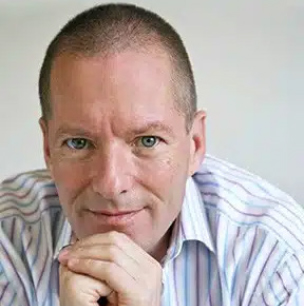
University of the People Founder and President Shai Reshef says he sees education as a right, not a privilege, and created his tuition-free educational model to provide accredited higher learning opportunities to the masses. His reach is vast, positively impacting hundreds of thousands of people seeking a new lease on life and opportunities they otherwise could only have dreamed about.
His school—the world’s first nonprofit online university—serves close to 500 New York City students, and that number continues to grow. Beyond the city, University of the People educates more than 170,000 students globally, spanning over 200 countries, while supporting refugees, undocumented individuals, and anyone facing financial hardship.
Reshef, who has spent more than twenty years as a global educational leader, has seen firsthand what educational inequities look like and understands how invaluable education is for prosperity, trauma prevention, mental health stability, and—most importantly—breaking cycles of poverty.
“When you educate one person, you can change a life,” says Reshef, who has been awarded the Yidan Prize for Educational Development, often referred to as the Nobel Prize for Education. “When you educate many, you can change the world.”
THE COST CRISIS IN NEW YORK CITY
The current state of higher education in New York City is underwhelming. Data shows the number of students able to attend college remains bleak. A 2024 survey revealed that nearly 90 percent of New York City high school graduates say they cannot afford to pay for college.
More than 30 percent of city students currently enrolled in college are considering dropping out due to cost, while over 65 percent report being financially underwater. Additionally, one in four students experiences significant financial stress due to student loan debt—demonstrating that cost issues extend well beyond graduation.
A GLOBAL VISION FOR CHANGE
Reshef plans to tackle this crisis one semester at a time. He is moving full steam ahead with a mission to disrupt educational inequality at its core. With the support of companies like IBM and Coca-Cola, he aspires to reach 35,000 refugees by 2030, with the broader goal of serving all underserved populations before his work is done.
“The tuition-free education model has the ability to disrupt traditional education over the next ten years,” says Reshef. “By removing financial barriers, it democratizes access to education and opens doors for underserved populations worldwide.”