




The MINDIE Method
Warmth Meets Emotional Distance
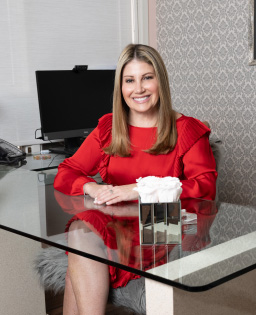
Psychotherapist, wellness coach, author, and speaker Mindie Barnett answers your questions about life, navigating these stressful and uncertain times, and steering you down a more straight forward path. We welcome your questions and invite you to contact Mindie at: mindiesmusings1@gmail.com
Mindie is available for in-person and virtual psychotherapy sessions via her Executive Health by Mindie Barnett Psychotherapy practice. Her expertise is in interpersonal relationships, overcoming depression, coping with anxiety and avoiding and overcoming burnout among many other wellness areas. Life coaching and career coaching are also areas she excels in. For more information or to schedule a session
visit mbexecutivehealth.com
That pattern creates strain in our relationship. I’m trying to figure out how to improve our communication, so it feels easier and more secure for both of us, while also making sure there’s a compromise on both sides.
That pattern creates strain in our relationship. I’m trying to figure out how to improve our communication, so it feels easier and more secure for both of us, while also making sure there’s a compromise on both sides.
Sincerely,
Goldie
Dear Goldie,
It sounds like you both have vastly different attachment styles. We learn these patterns of attachment from the way we are raised and how our caretakers tended to us. It sounds like you may have what is called “anxious attachment style” and your friend may be more “avoidant” in their relationships. This is not necessarily a problem. You both just need to be tuned into your needs and styles as well as respective of others.
Let’s start with a quick 411 on what I’m talking about: Anxious attachment styled people tend to need regular validation and seek attention, crave intimacy (or contact if we are speaking about a platonic relationship) and fear abandonment or rejection. Therefore, it makes sense that you would be more hypersensitive to your friend’s mood and demeanor.
Your friend, however, is likely skewed avoidant and values independence, tends to suppress emotions and can be uncomfortable with emotional intimacy or vulnerability. These traits can make the person appear cold or distant, which in turn activates the anxious attachment style you likely possess. It’s a perfect storm and typically anxious and avoidant personalities attract!
The best advice I can offer you is to express your needs in an honest, sincere, and non-accusatory way. Explain why you feel the way you feel when your friend behaves in a “black cat” fashion. Then, ask your friend how they feel when you behave in a “golden retriever” fashion. If your friend is fully aware of your needs and you theirs, you may have less strain and more harmony. But be mindful, you’re both human and humans make mistakes! So, if your friend “slips up” and leans farther into their “black cat” territory, simply remind them of your feelings and gently steer them back into the dog park!
Wishing you Love and Light,
XO Mindi